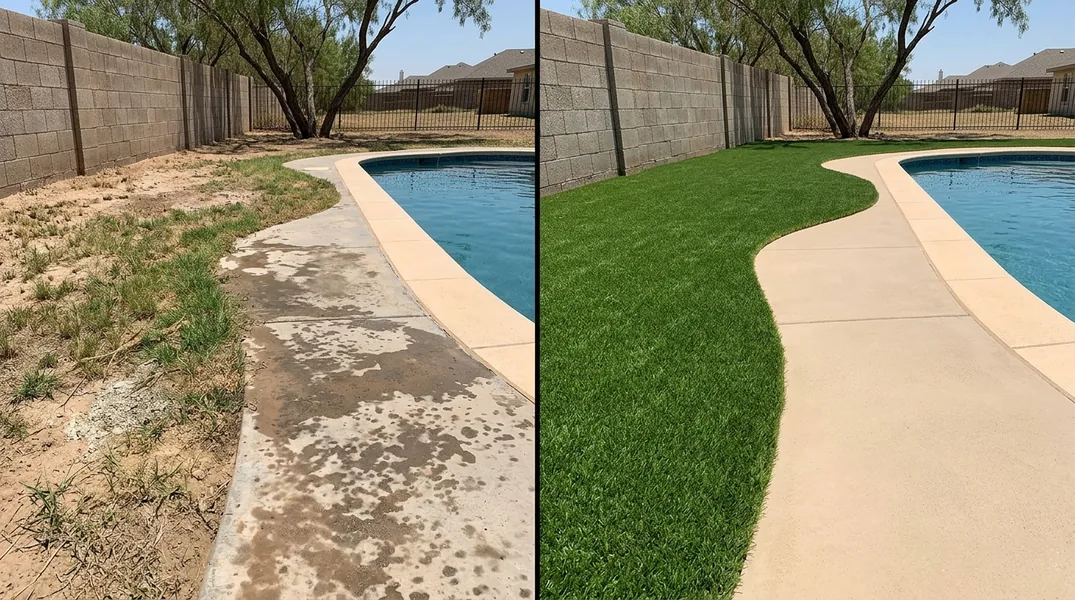
Understanding HOA Artificial Grass Rules in Odessa
Homeowners associations in Odessa and surrounding areas have become increasingly receptive to artificial turf as a sustainable landscaping option. However, each HOA maintains its own set of guidelines that govern what homeowners can and cannot install on their properties. Before you invest in Residential Artificial Grass Installation, it's essential to understand your community's specific rules regarding artificial turf in front yards.
Most HOAs establish these rules to maintain aesthetic consistency and property values throughout the neighborhood. The good news is that artificial grass has evolved dramatically over the past decade, and many HOAs now recognize that quality turf can actually enhance curb appeal while conserving water. That said, some associations still have outdated policies that restrict or heavily regulate artificial grass. Your first step should always be to review your HOA's covenants, conditions, and restrictions (CC&Rs) or contact your HOA management office directly to understand where your community stands on this issue.
Front Yard Artificial Grass: What HOAs Typically Require
When it comes to front yard artificial grass, HOAs in West Odessa and Gardendale often have stricter standards than they do for backyards. The front yard is the first thing visitors and neighbors see, so associations tend to focus their oversight here. Common requirements include specifications about the turf's appearance, pile height, color range, and drainage systems. Many HOAs require that artificial grass look natural and well-maintained, which means choosing a product with realistic blade texture and color variation rather than something that looks obviously synthetic.
Another frequent requirement involves the base and installation method. HOAs may mandate that artificial grass be installed over a proper permeable base to ensure adequate drainage and prevent water pooling. Some associations also specify that edging materials must match existing landscaping or be professionally finished. Additionally, many HOAs require that any visible seams be minimal and professionally installed. These requirements exist to ensure that the artificial grass installation meets neighborhood standards and maintains property values. Understanding these specifics before you begin will save you time and prevent costly rework down the road.
The HOA Submittal and Approval Process
Most HOAs require homeowners to submit an Architectural Review Request or similar application before beginning any significant landscaping project, including artificial grass installation. This submittal typically includes detailed information about the product you plan to install, installation plans, and sometimes photographs or samples. The approval process can take anywhere from a few days to several weeks, depending on your HOA's responsiveness and whether your request requires additional review or modifications.
When preparing your submittal, provide as much detail as possible. Include the manufacturer and product name of the artificial turf you've selected, specifications like pile height and fiber type, installation timeline, and contractor information. Many HOAs appreciate receiving product samples or high-quality photographs showing the turf's appearance. If your HOA has specific concerns about artificial grass, addressing them proactively in your submittal can speed up approval. For example, if drainage is a concern, include detailed information about your base preparation and drainage system. Some homeowners work directly with their installation contractor to prepare professional submittals, which often increases approval odds significantly.
Common HOA Objections and How to Address Them
Despite the growing acceptance of artificial turf, some HOAs still raise objections. Common concerns include worries about the turf looking fake, drainage issues, heat retention, or environmental impact. Understanding these objections helps you prepare a compelling response. The 'looks fake' concern is often rooted in experience with older artificial grass products. Modern turf technology has advanced tremendously, with products now featuring multiple blade colors, realistic textures, and natural-looking variations that rival actual grass. Providing samples or high-resolution images of contemporary artificial grass can effectively address this concern.
Drainage and heat are also frequently cited issues. Quality artificial grass systems include sophisticated drainage layers that actually exceed natural grass drainage capabilities. Heat concerns, while sometimes valid in extreme climates, can be mitigated with proper base preparation and product selection. Many newer turf products are engineered to reflect heat rather than absorb it. If your HOA raises environmental concerns, you can counter with information about water conservation, elimination of pesticide use, and the reduced carbon footprint compared to lawn maintenance equipment. Having factual, well-researched responses to these objections demonstrates that you've done your homework and are committed to a quality installation.
Working with Professional Installers for HOA Compliance
One of the smartest decisions you can make is partnering with experienced Residential Artificial Grass Installation professionals who understand local HOA requirements. Reputable installers in the Odessa area are familiar with the various HOAs and their specific standards. They can guide you through the approval process, recommend products that align with your community's requirements, and ensure installation meets or exceeds HOA specifications. This expertise often means the difference between quick approval and frustrating delays.
Professional installers also handle the technical details that HOAs scrutinize most carefully. They understand proper base preparation, drainage requirements, edging standards, and seam placement. When you hire professionals, you gain the confidence that your installation will pass inspection and stand up to HOA review. Many installers can even attend HOA meetings or provide technical documentation if your community requests additional information. If you're ready to move forward with your project, contact Odessa Artificial Grass Installation at (432) 888-7930 to discuss your HOA requirements and get a free estimate for your front yard transformation.
Timeline and Budget Considerations for HOA Approval
Planning your artificial grass project requires accounting for the HOA approval timeline in addition to installation time. From initial submittal to final approval, budget 2 to 4 weeks in most cases, though some HOAs may take longer if they request additional information or modifications. Starting your submittal process early gives you peace of mind and prevents delays during your preferred installation window. Many homeowners in Odessa prefer spring and fall installations, so submitting your request several months in advance ensures you're not caught in a seasonal rush.
Regarding budget, the pricing for artificial grass installation varies based on yard size, product quality, and site-specific factors like existing landscaping removal or extensive base preparation. However, it's worth noting that investing in a quality product and professional installation often leads to faster HOA approval because your project will clearly meet community standards. Cutting corners on product quality or using inexperienced installers may result in approval delays or requests for modifications, ultimately costing more time and money. When you're ready to explore options and understand what your project might cost, reach out to discuss your specific needs and HOA requirements.
Looking for a professional artificial grass installation company in Odessa? Odessa Artificial Grass Installation responds fast for all your artificial grass installation needs.
Get a Free Quote